Rethinking Tribal Engagement in HCPs
By Scott Fleury, Bernadette Clueit, and Melissa Klungle
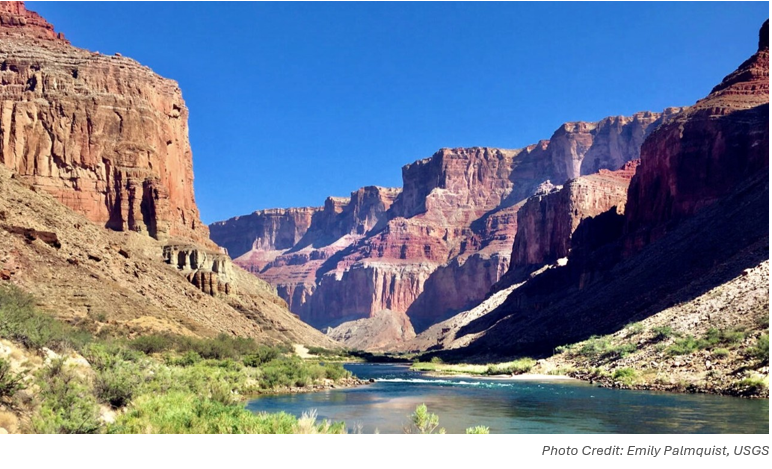
Long before the modern framework of endangered species laws, conservation easements, preserve systems, and habitat conservation plans (HCPs), Tribal Nations and Indigenous communities were living with, managing, and stewarding the lands and waters that many conservation plans, including HCPs, now seek to protect.
That history matters for contemporary conservation planning.
The species addressed in HCPs are not just regulatory subjects. They may be part of broader ecological, cultural, and place-based relationships that long predate the planning process. The landscapes included in HCPs may encompass ancestral territories, cultural landscapes, traditional gathering areas, sacred places, species of cultural importance, and ecological processes shaped by Indigenous stewardship over generations.
For HCP practitioners, that context can help frame Tribal engagement as an integral part of sound conservation planning, not only as a late-stage consultation step, an environmental review requirement, or a procedural issue to address after the plan is mostly drafted.
The question is not only, “When are we required to consult?” A broader conservation planning question is, “How can Tribal governments and Indigenous communities be engaged in ways that meaningfully inform key conservation and implementation decisions?”
That distinction matters because HCPs are long-term conservation commitments. They shape how species and habitats will be managed for decades, including where conservation investments are made, how preserves are assembled and managed, how impacts are minimized, how monitoring is conducted, and how adaptive management decisions are made over time.
If Tribal engagement begins only after those choices are largely settled, the process may still document outreach or consultation, but it can miss the deeper conservation value of engagement: understanding place, species, stewardship, cultural access, and long-term management from the perspective of the people and governments with enduring relationships to those lands and resources.
Engagement Is Not the Same as Consultation
Formal government-to-government consultation has a distinct role, particularly for federal and state agencies. It is grounded in Tribal sovereignty, federal trust responsibilities, federal Indian law, and policies such as the U.S. Fish and Wildlife Service Native American Policy, Secretarial Order 3206, and applicable federal and state consultation guidance. It should remain distinct from, and should not be replaced by, general outreach to interested Tribes and Indigenous communities.
Federal consultation policies, including Executive Order 13175 and related consultation resources, emphasize timely coordination and meaningful input before decisions are made. For federal agencies participating in HCP development and permitting, these policies provide an important framework. Applicants, consultants, and implementing entities can support that process while also creating broader opportunities for engagement.
HCP development can provide opportunities for early communication, technical exchange, advisory participation, implementation coordination, and separate Tribal-specific discussions. These forms of engagement do not replace formal consultation, but they can help ensure that Tribal perspectives are considered while the plan is still being shaped.
The appropriate engagement structure will vary. A Tribe may prefer a formal consultation framework. Another may be open to staff-level discussions, technical review, advisory group participation, or focused conversations about particular resources or HCP preparation and implementation decisions. The key is clarity: who is participating, in what capacity, with what authority, under what confidentiality expectations, and with what opportunity to influence outcomes.
Early Engagement Can Inform the HCP
Early Tribal engagement can help HCP practitioners ask better questions before the plan structure hardens. Those questions may include:
- Which species, places, ecological processes, and resource-management goals have cultural significance?
- Where do Indigenous stewardship priorities and HCP conservation strategies overlap?
- How might Indigenous Knowledge inform preserve design, restoration, monitoring, adaptive management, or long-term stewardship?
- What cultural uses, access needs, confidentiality concerns, or implementation commitments should be considered?
These questions are difficult to address at the end of the process. They are most useful when asked early enough for the plan to respond.
That does not mean every issue can be resolved or every request accommodated. HCPs operate within legal, regulatory, biological, financial, and institutional constraints. Meaningful engagement can nevertheless include transparency about those constraints and follow-through on the input received.
If Tribal input changes the plan, practitioners can show how. If it cannot be accommodated, they can explain why. If an issue is more appropriately addressed during HCP implementation, the plan can establish a clear mechanism for continued engagement.
Meaningful Engagement Requires More Than an Invitation
Inviting Tribes and Indigenous communities to participate in a public advisory committee or interest group can be useful, but it need not be the only engagement pathway. Tribal governments are not simply another interest group category. They are sovereign governments with distinct histories, rights, interests, and responsibilities.
A stronger approach may include both opportunities to participate in broader advisory or technical groups and separate Tribal-specific settings where issues can be discussed directly and appropriately. That separate space may be important for sensitive cultural information, government-to-government consultation, internal Tribal review, or conversations among leadership, cultural practitioners, elders, natural resource staff, and legal counsel.
Meaningful engagement also calls for an understanding of Tribal capacity and timelines. HCP schedules are often driven by grant deadlines, board meetings, administrative milestones, and permit-processing goals. Tribal governments may be working with limited staff and competing demands. The engagement process can anticipate that reality rather than treat it simply as a delay.
Where feasible, HCP budgets can also consider support for Tribal participation. Stipends, honoraria, committee compensation, technical-support funding, or other mechanisms may help reduce capacity barriers. A lack of capacity to participate at a particular time should not be assumed to indicate a lack of interest.
Indigenous Knowledge Requires Careful and Ethical Use
Federal policy recognizes Indigenous Knowledge as an important source of information for environmental decision-making. The federal Guidance for Federal Departments and Agencies on Indigenous Knowledge provides useful principles concerning respect, consent, protection, and appropriate inclusion. For HCP practitioners, this creates both an opportunity and a responsibility.
Indigenous Knowledge should not be treated as an extractive data request. Practitioners should not ask Tribes to broadly share information and then decide later how to use it. Requests are more appropriate when they are specific, tied to actual planning decisions, and accompanied by clear explanations of how the information may be used.
Practitioners also need to be transparent about confidentiality. HCPs often involve public agencies, public records laws, administrative records, environmental review documents, and permit files. Sensitive information about cultural resources, sacred places, traditional use areas, or species locations may require special handling. In some circumstances, it may not be appropriate to collect the information unless clear and enforceable protections are in place.
If Indigenous Knowledge is shared, it should be documented and interpreted carefully, with confirmation from the appropriate knowledge holders or Tribal representatives before it is incorporated into a plan. The objective is not to translate Indigenous Knowledge into a Western science framework, but to respect it on its own terms and use it only with appropriate consent.
Implementation Is Part of the Engagement Conversation
Tribal engagement need not end when the HCP is adopted or the permit is issued.
Many of the most meaningful opportunities may occur during implementation: co-management or collaborative stewardship of preserve lands, restoration, species monitoring, adaptive management, access planning, cultural fire, vegetation gathering, cultural resource protection, land acquisition, or long-term stewardship. Although focused on federal lands and waters, Joint Secretarial Order 3403 provides relevant context for considering co-stewardship opportunities.
Even where co-management of preserve lands is not feasible, HCPs may be able to support access to culturally important resources, incorporate considerations for culturally significant species, create advisory roles, compensate participation, or establish procedures for continued coordination.
Existing HCPs and related conservation planning efforts illustrate that Tribal involvement can take different forms:
- Long-term governance models can formally include Tribal governments and provide roles in oversight and decision-making, as illustrated by the Lower Colorado River Multi-Species Conservation Program.
- Collaborative frameworks can bring Tribal governments together with agencies, landowners, and other participants to inform adaptive management and shared policy approaches, as in Washington’s Forest Practices HCP.
- Planning for the Elliott State Research Forest has treated Indigenous culture as one of the forest’s intended values and brought Tribal governments into broader review and planning discussions, while also illustrating the institutional and practical questions that can arise when Indigenous stewardship perspectives are considered in conservation planning.
- Tribal-led conservation planning efforts, including the Rincon Band of Luiseño Indians Tribal Resource Conservation Management Plan and the Agua Caliente Band of Cahuilla Indians Tribal Habitat Conservation Plan, highlight a different but equally important point: Tribes are not only parties to be engaged in non-Tribal plans; they may also be sovereign conservation planners and implementing entities.
The takeaway is not that one structure fits every HCP, but that practitioners can consider meaningful engagement as part of both plan development and long-term implementation.
From Transaction to Relationship
The most important shift for HCP practitioners may be cultural rather than procedural.
Meaningful Tribal engagement is not a single transaction. It is more than a letter, a meeting, a comment period, or a checked box. It is a relationship-building process that calls for humility, clarity, follow-through, and respect for sovereignty.
For HCP practitioners, the practical suggestion is straightforward: begin Tribal engagement before the plan is drafted, continue it through key planning decisions, and create opportunities for it to carry forward into implementation.
That approach can be better for Tribes and Indigenous communities, applicants, agencies, and the conservation of our country’s natural heritage.
Additional Resources
- U.S. Fish and Wildlife Service Native American Policy
- Secretarial Order 3206: American Indian Tribal Rights, Federal-Tribal Trust Responsibilities, and the Endangered Species Act
- U.S. Fish and Wildlife Service Habitat Conservation Plan Handbook Toolbox
- Federal Tribal Consultation Resources
- Guidance for Federal Departments and Agencies on Indigenous Knowledge
- Joint Secretarial Order 3403 on Tribal Co-Stewardship
- Lower Colorado River Multi-Species Conservation Program
- Washington Forest Practices Habitat Conservation Plan
- Elliott State Research Forest
- Rincon Band of Luiseño Indians Endangered Species and Habitat Protection
- Agua Caliente Band of Cahuilla Indians Planning Department and Tribal Habitat Conservation Plan
About the Authors
Dr. Scott Fleury, Bernadette Clueit, and Melissa Klungle are conservation planning practitioners at ICF with experience supporting HCP development, ESA compliance, conservation implementation, and Tribal engagement. They participate in the National HCP Coalition’s HCP Improvement Committee, where Tribal engagement has been part of ongoing discussions about improving HCP development and implementation.
This article was originally published on LinkedIn on July 15, 2026, and has been adapted for the National HCP Coalition website.