Mission
Mission, Goals & History
Mission, Goals & History
Further the use, effectiveness of and support for landscape-scale, Regional Habitat Conservation Plans (HCPs) as local solutions to facilitate economic development and the conservation of threatened and endangered species and their habitats.
Goals
Promote the effective use of large-scale HCPs from jurisdictional to Regional to multi-state scale plans.
Increase understanding of the value of HCPs, including their role in achieving landscape-level species conservation goals.
History
In November 2015, Habitat Conservation Plan (HCP) practitioners and policymakers from across the country convened for the first time to discuss the status and effectiveness of large-scale HCPs. This gathering led to the formation of the National Habitat Conservation Planning Coalition (National HCP Coalition)—a collaborative network of professionals focused on advocacy, resource sharing, and advancing HCP implementation and development.
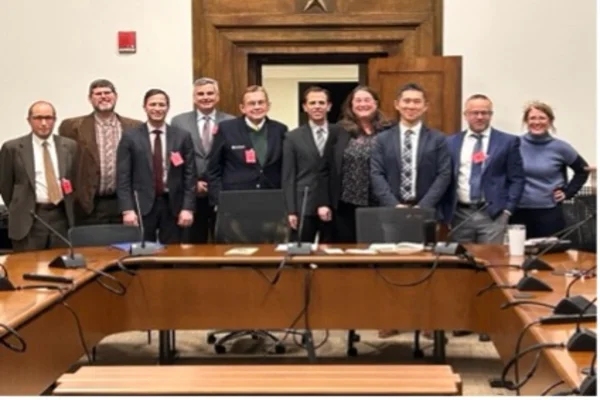
The Coalition also engages in national advocacy, including submitting formal comment letters to the U.S. Department of the Interior and conducting annual visits to Washington, D.C. to promote key legislative and regulatory priorities that support effective conservation plan.
Our Gallery
Moments That Define Us
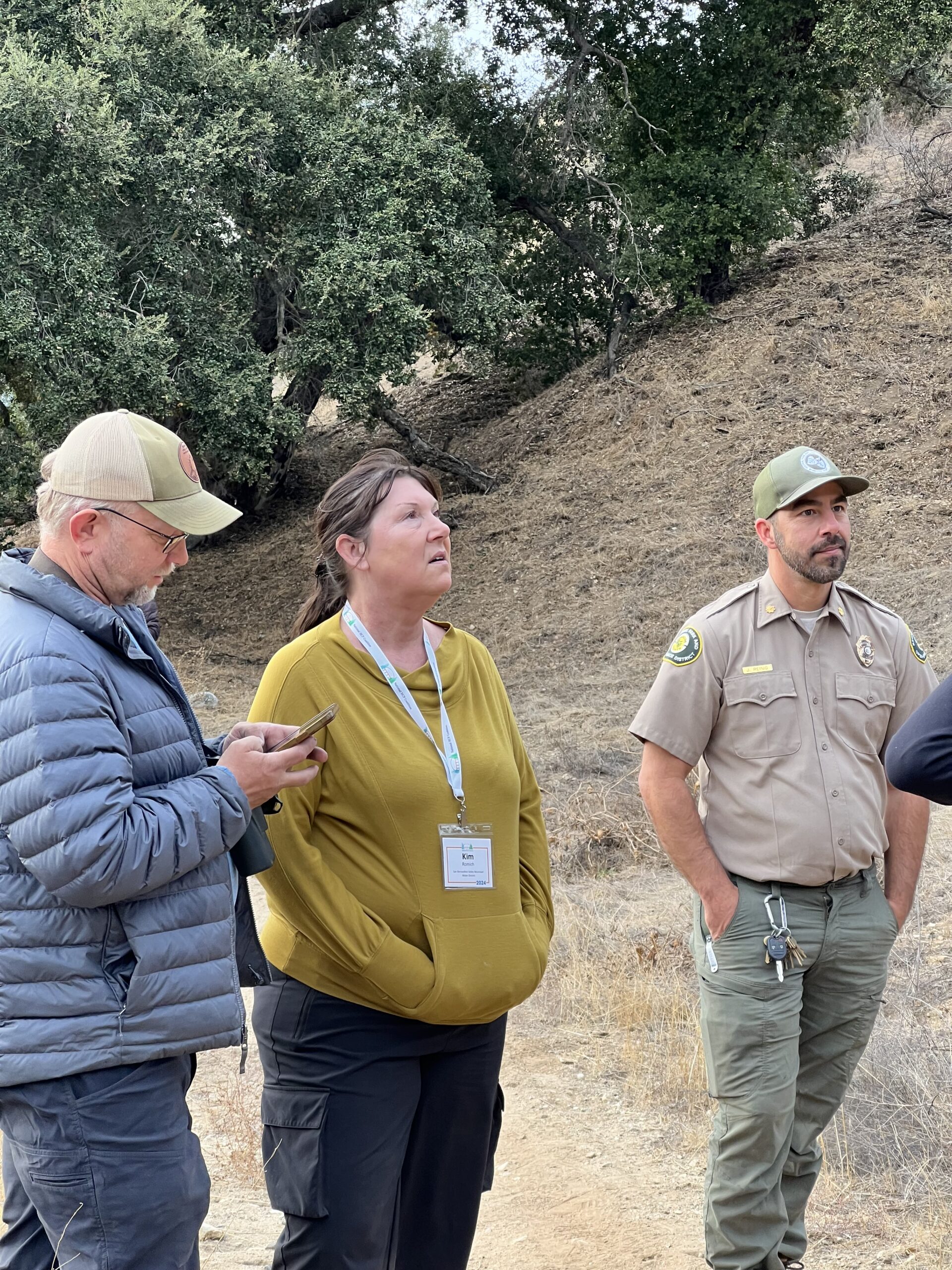
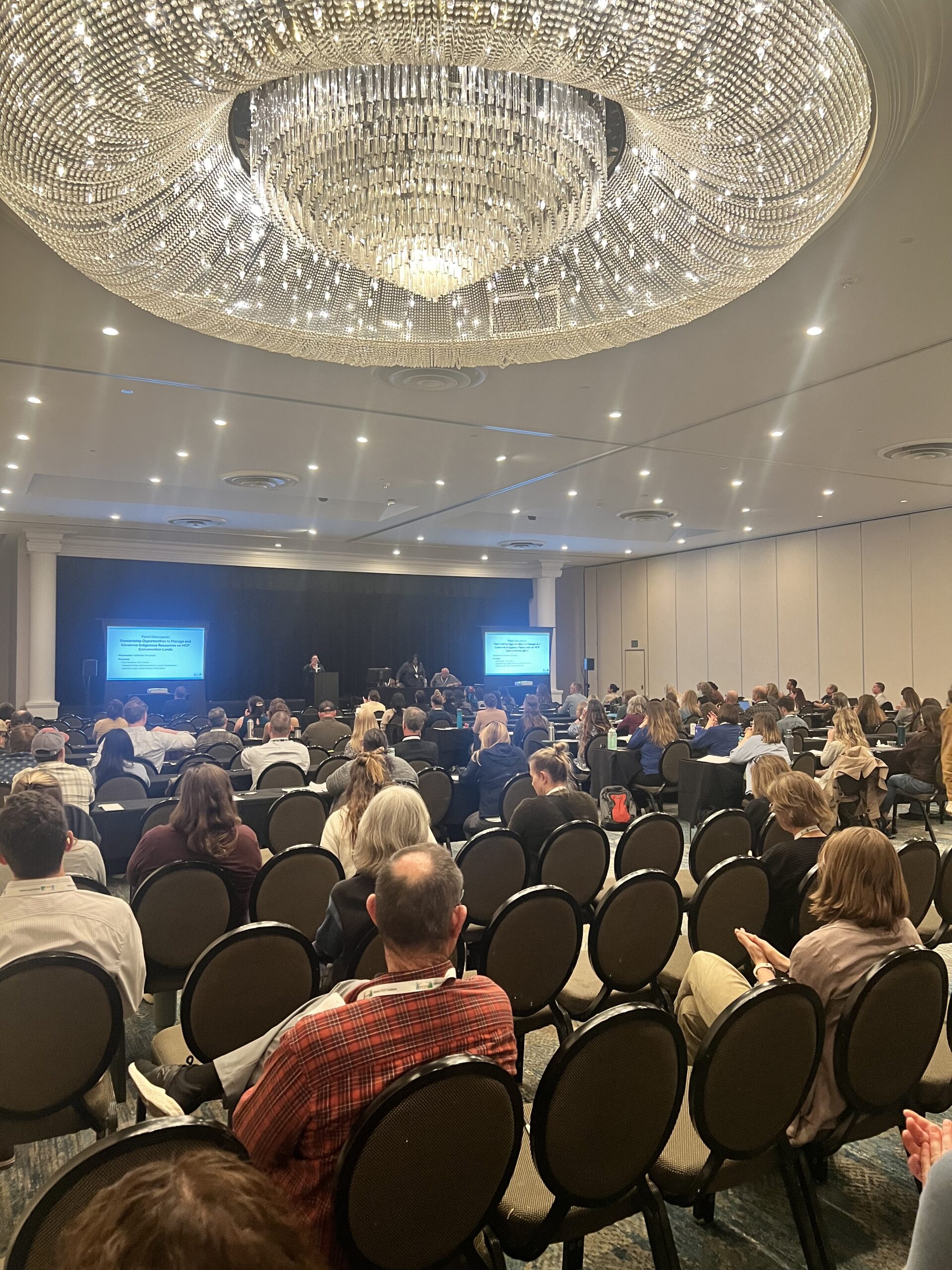
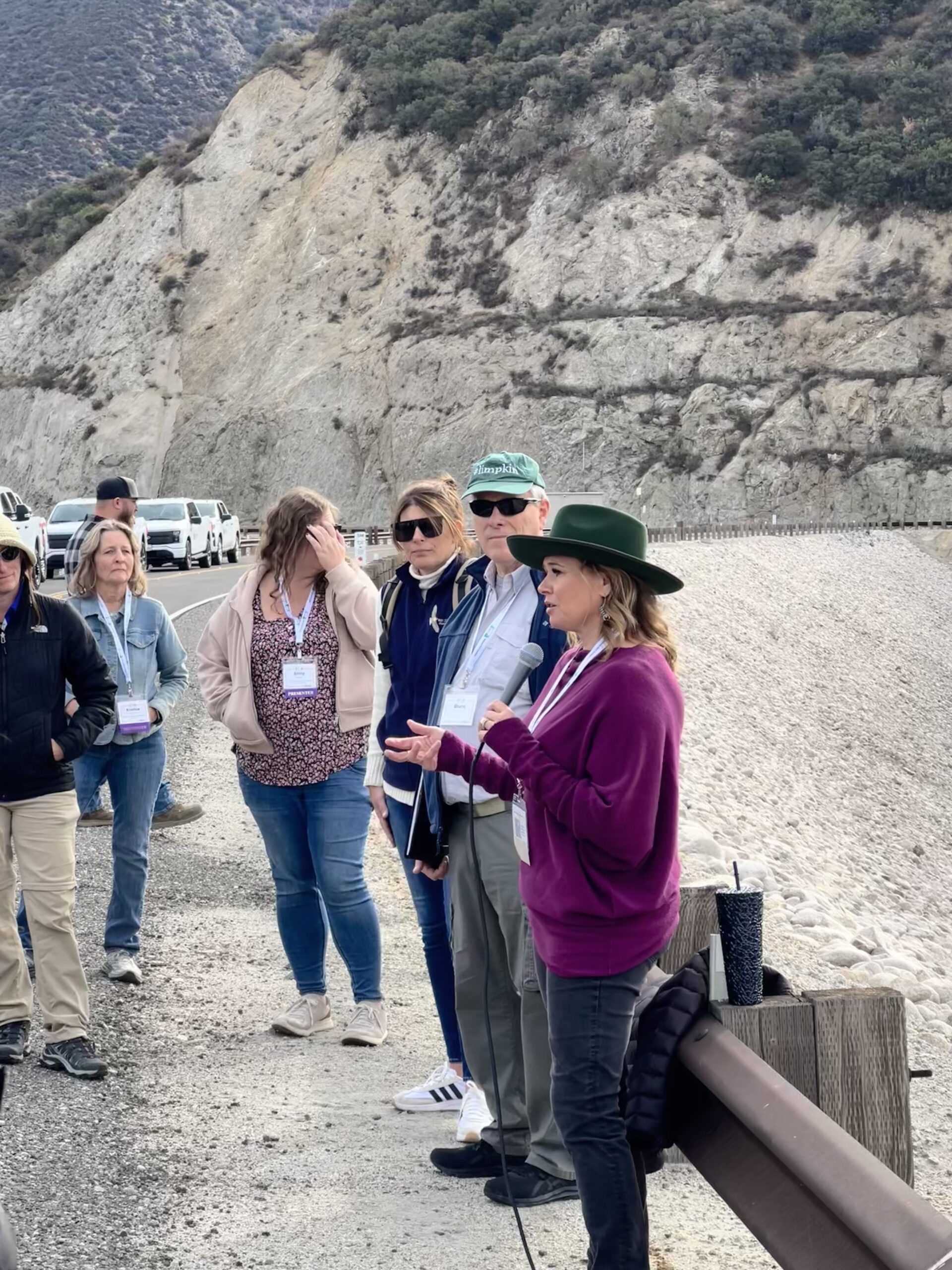
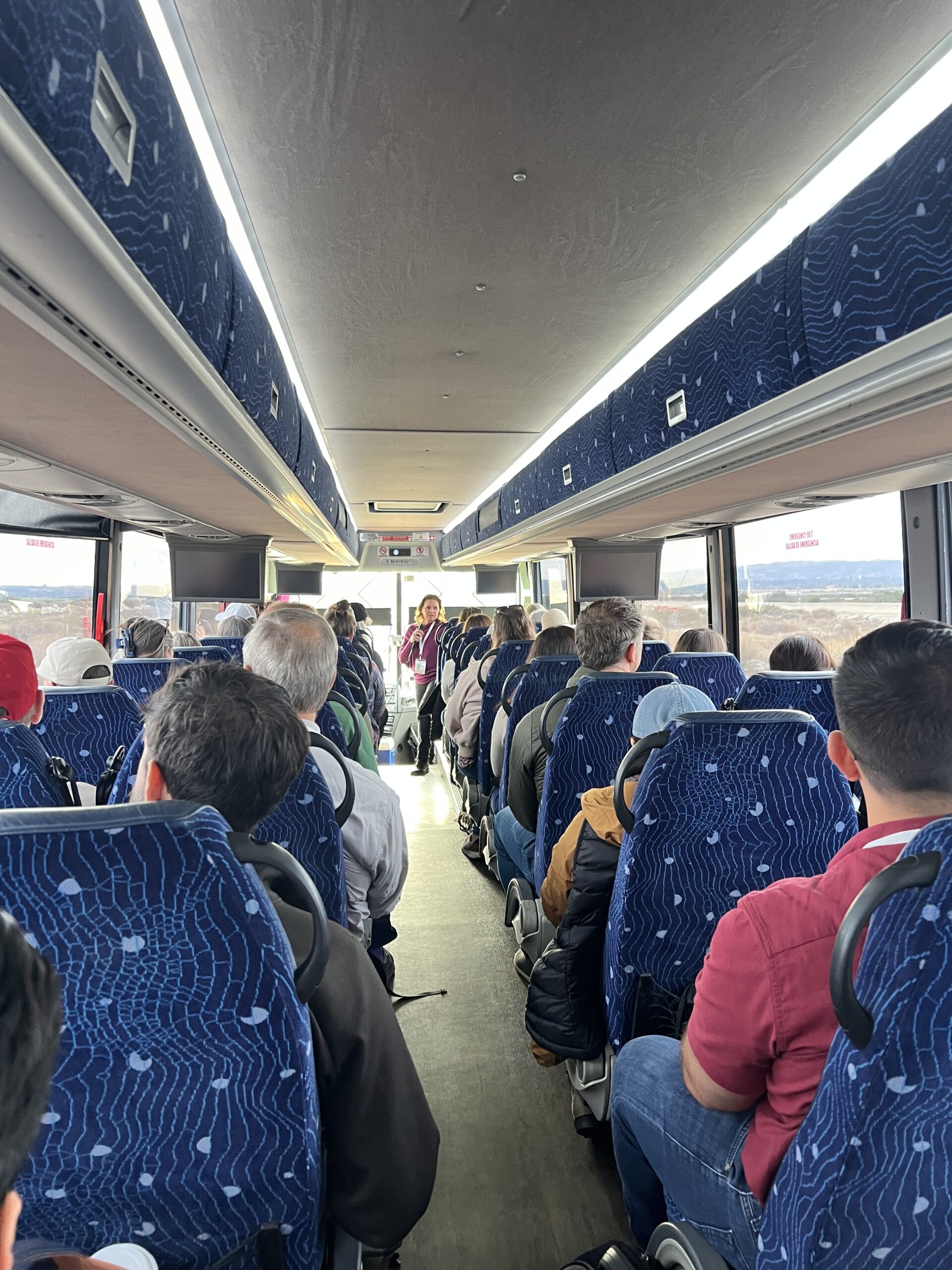
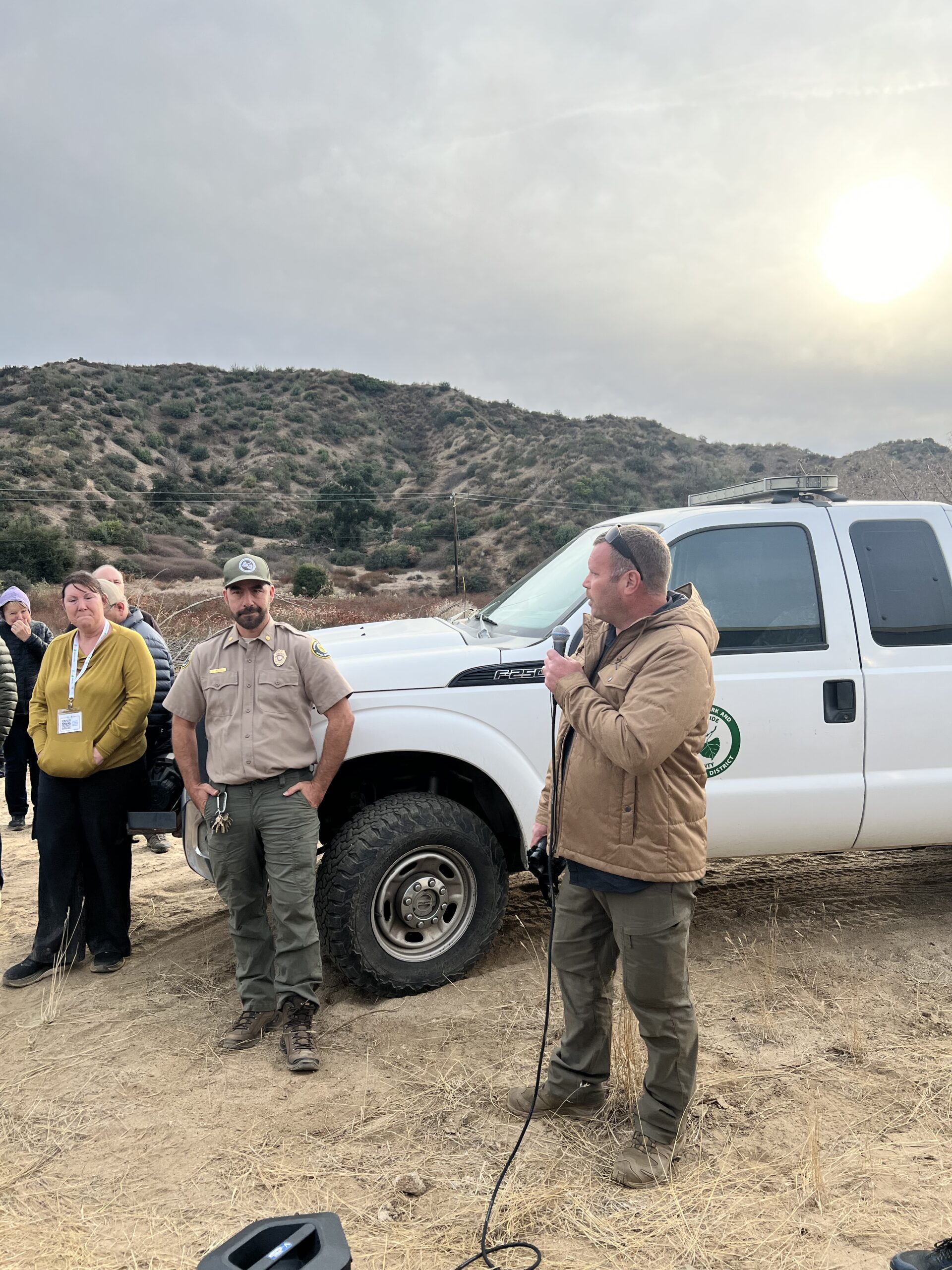
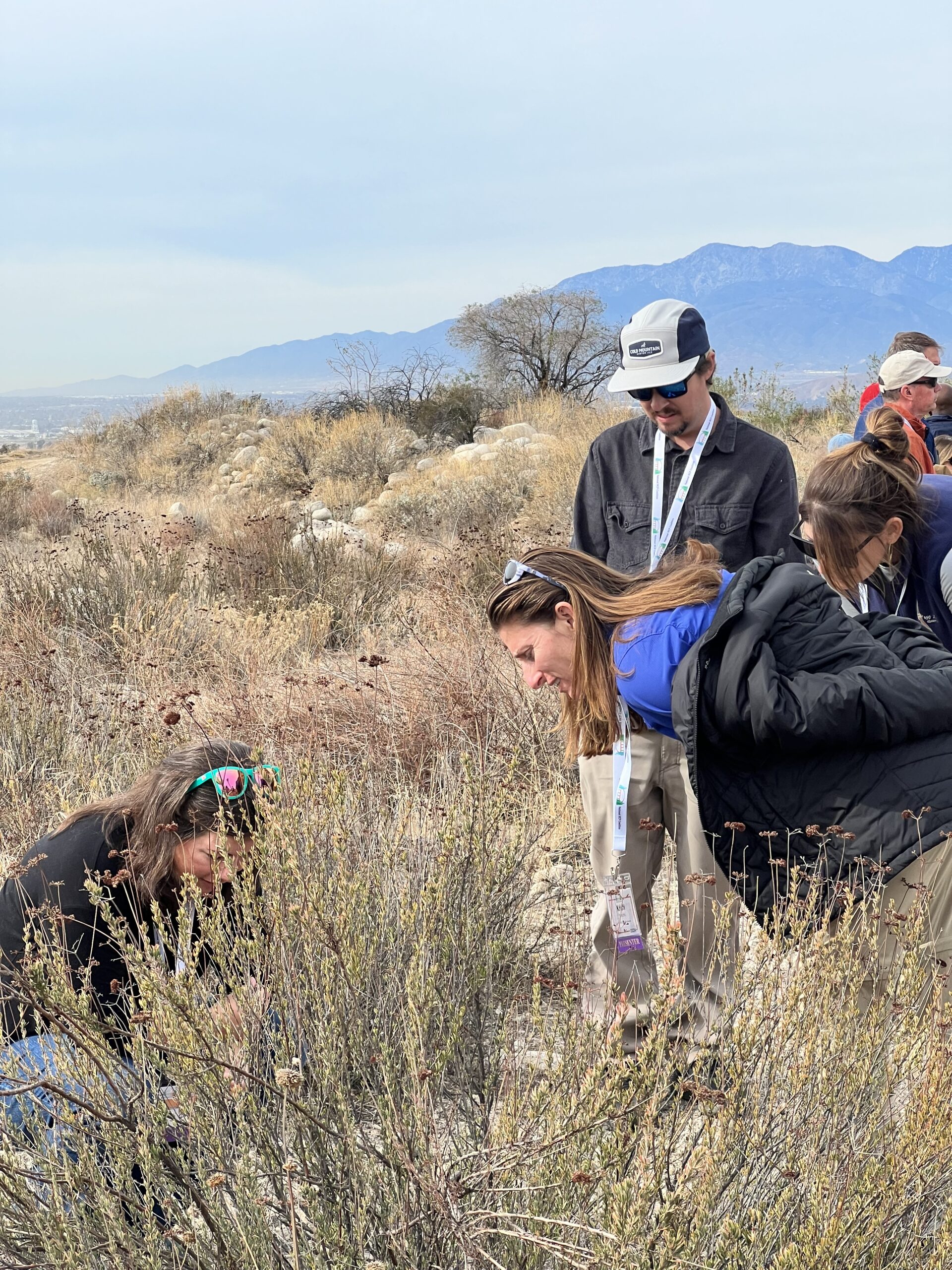
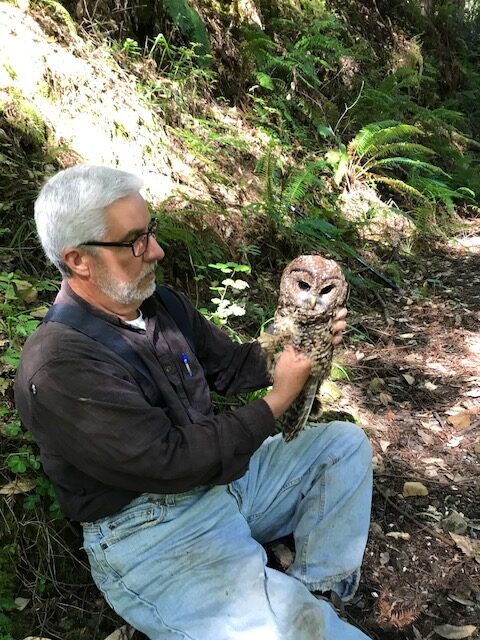
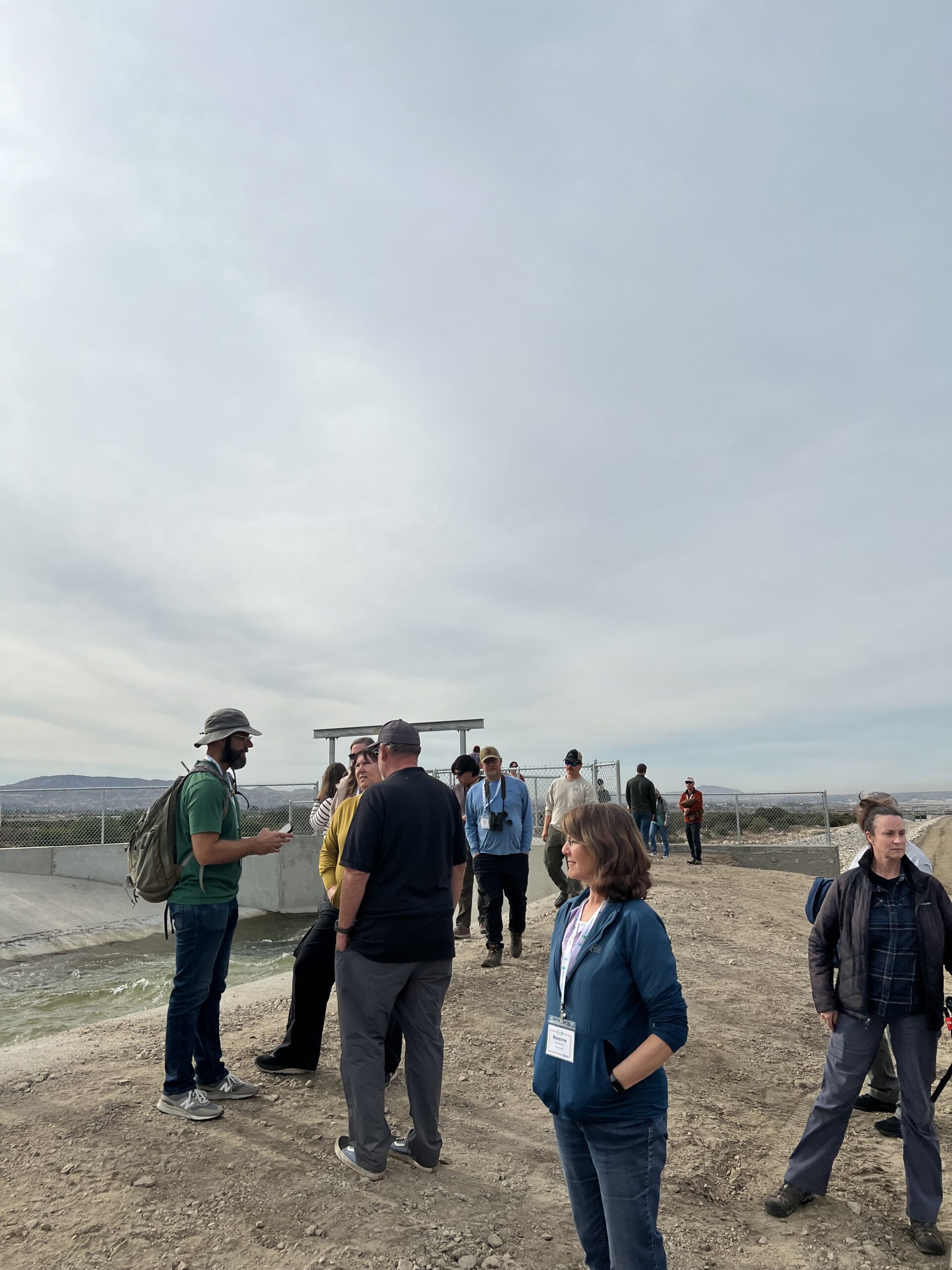
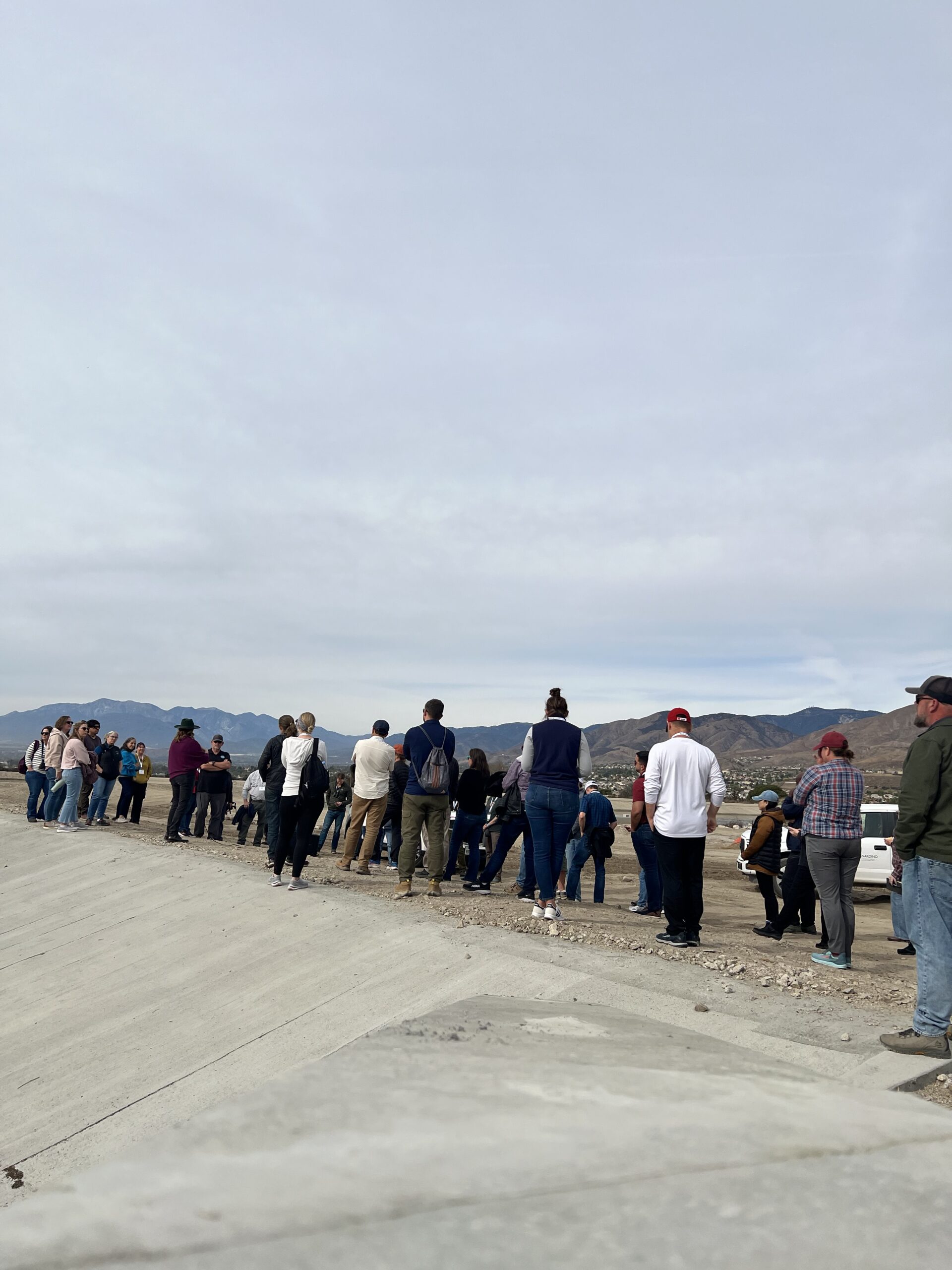
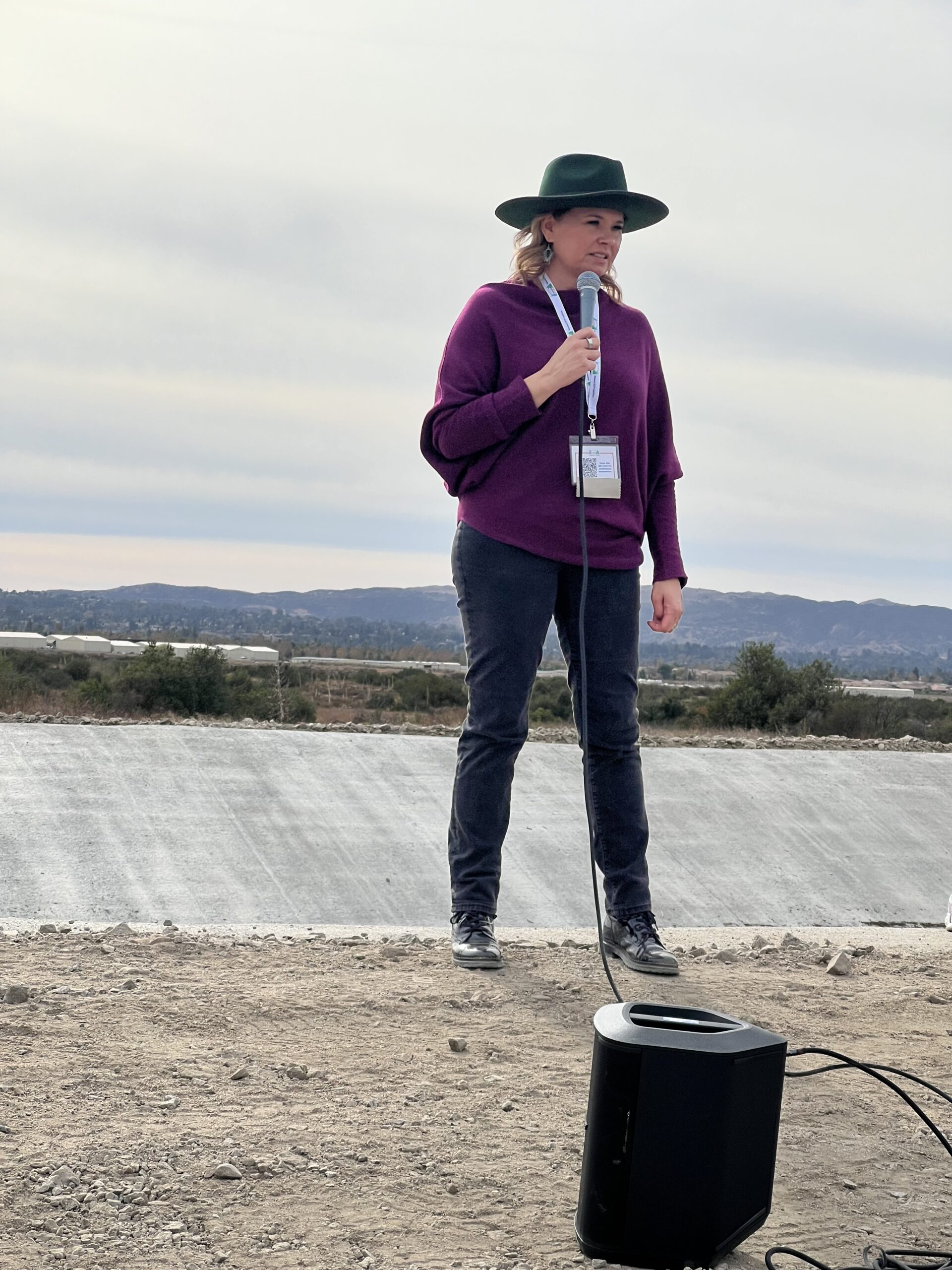
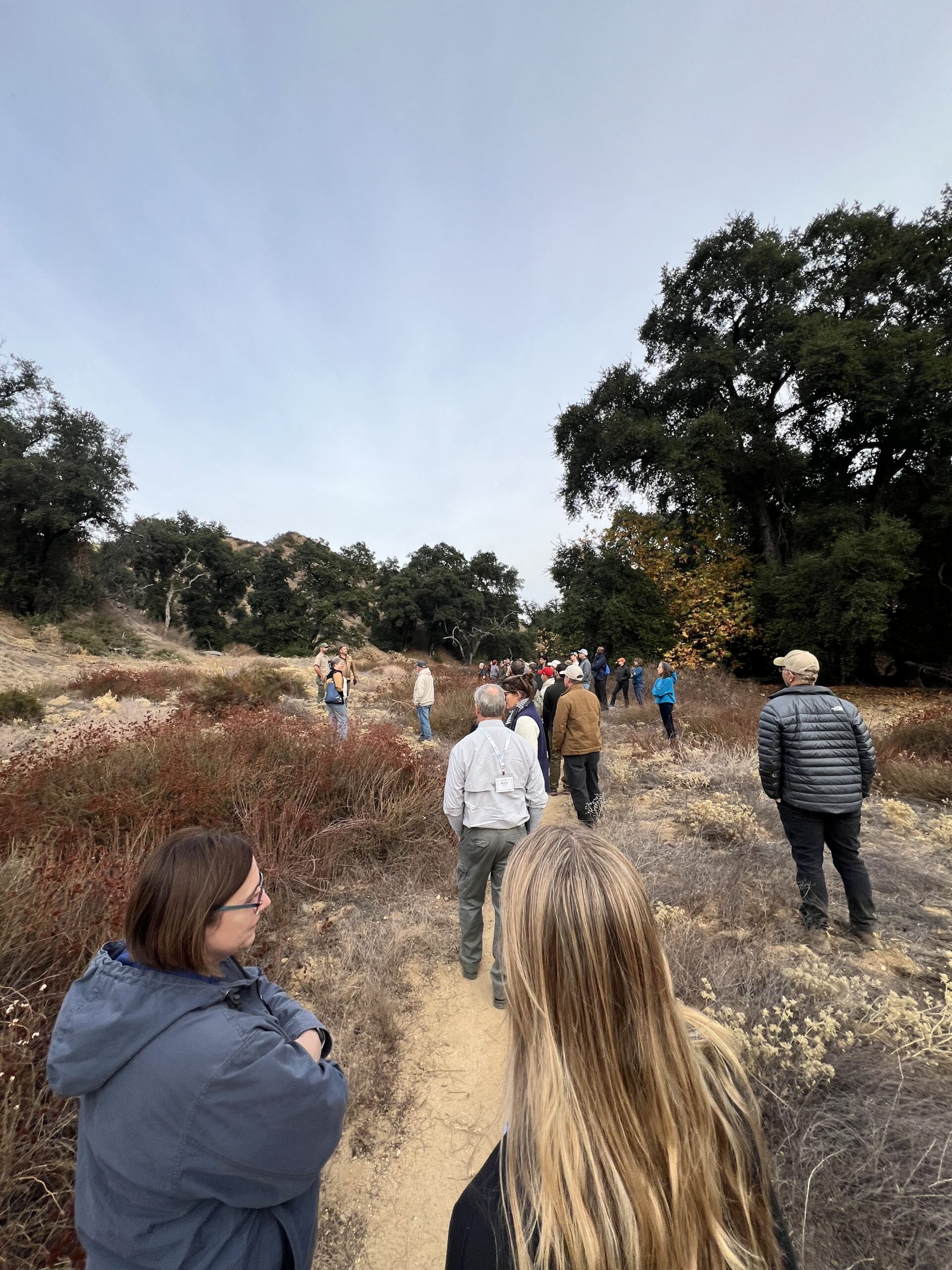
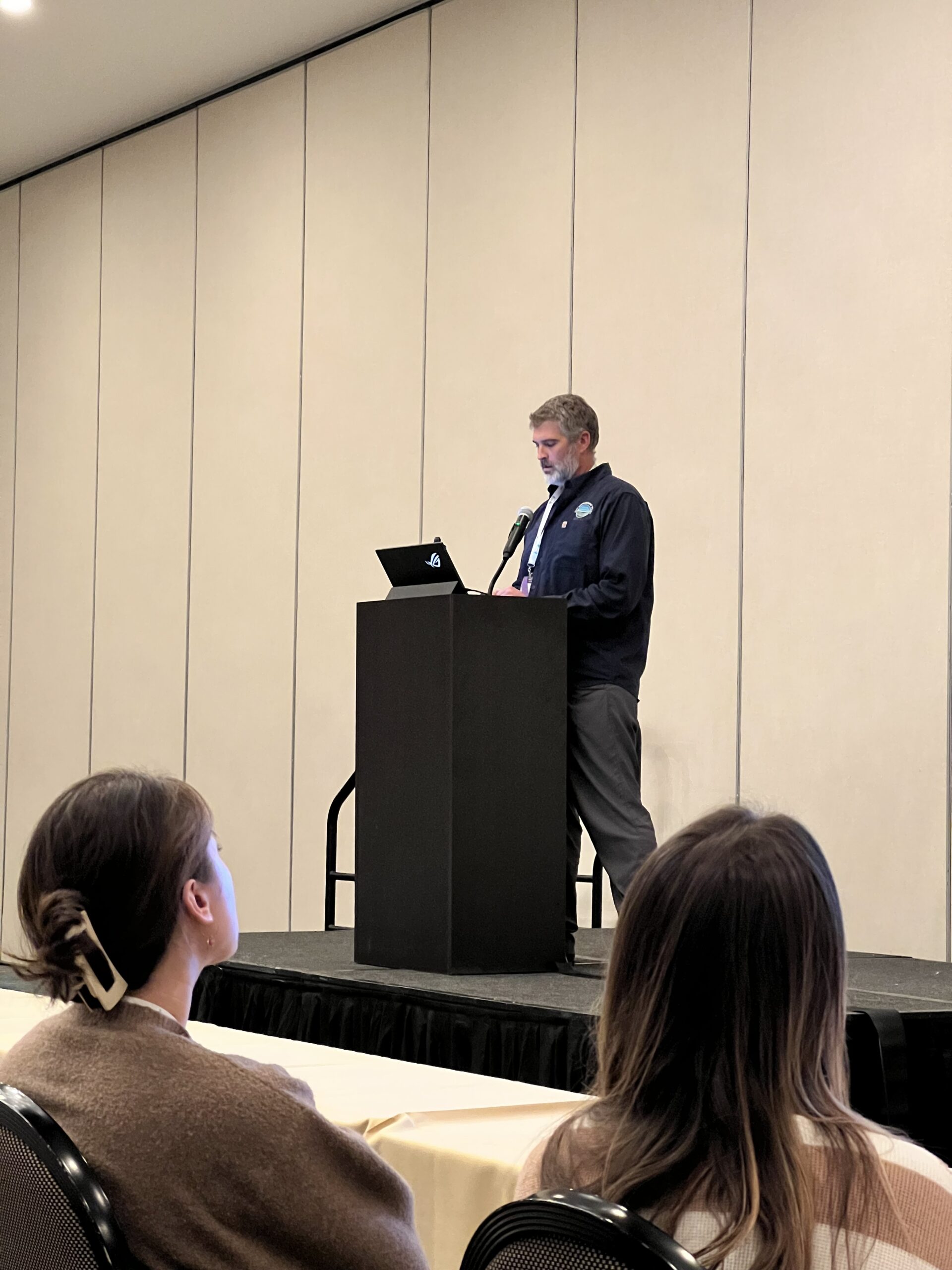
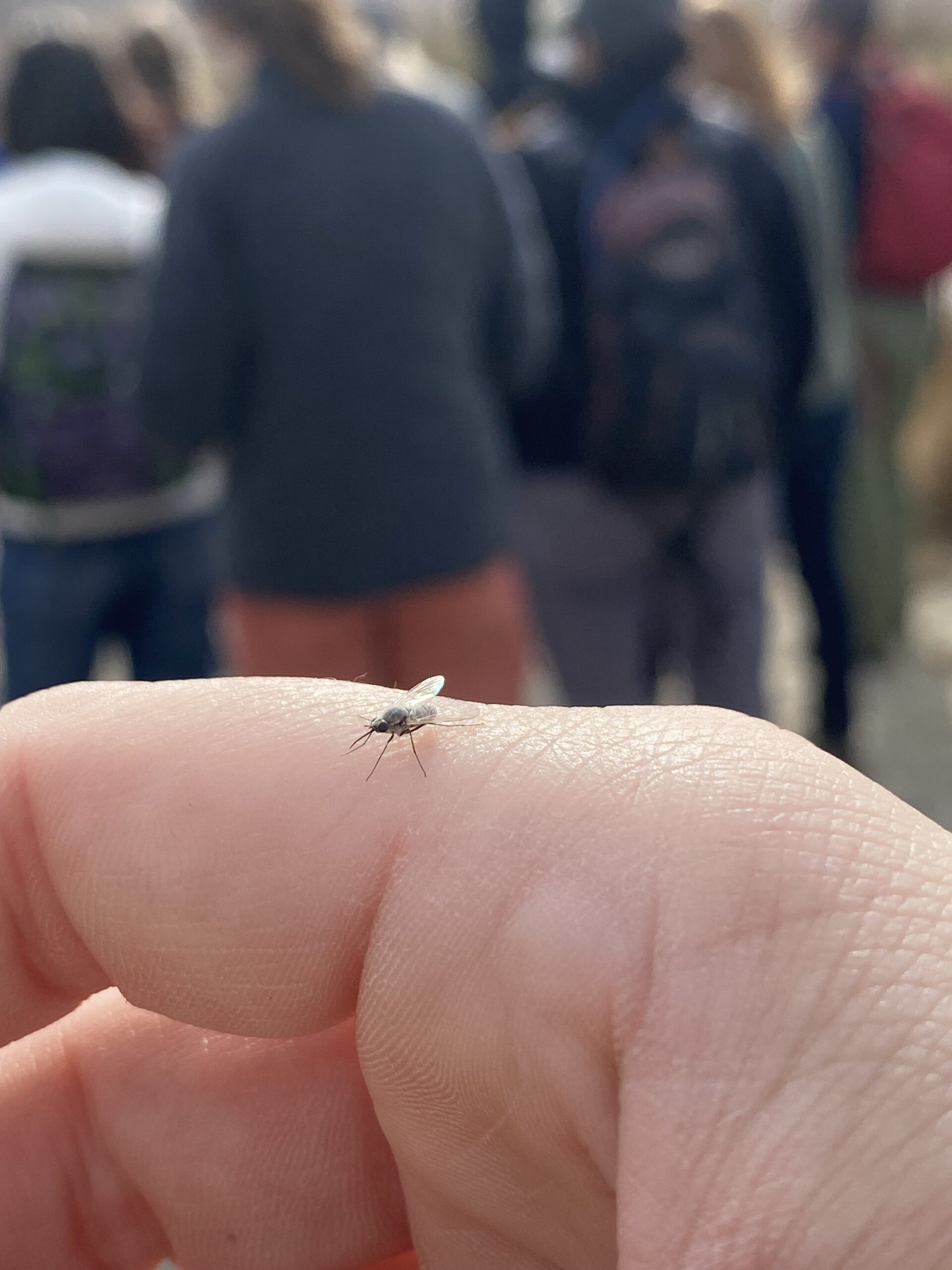
A visual journey through our coalition’s activities, events, and the dedicated professionals who make it all possible.



National Habitat Conservation Plan Coalition is proudly powered by WordPress